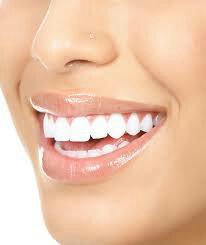
FOODS THAT WHITEN YOUR TEETH NATURALLY.

Foods That Whiten Teeth Naturally

Cheap home rem

edies that work

by AYOMIDE OLADIPUPO, March 25, 2019

ISADORA TAST/LAIF/REDUX

These red berries can brighten your smile.

En español | Coffee, tea, red wine and some soda can all stain your teeth and darken your smile. But there are some common foods that can actually help whiten your teeth over time. They’re not as thoroughly effective as professional teeth whitening products—but they are cheap and natural. And that should leave you smiling.

1. Strawberries
They may stain your shirt, but they could work to whiten teeth, since they contain an enzyme called malic acid. Try mashing up strawberries and rubbing them on your teeth. Leave for five minutes then rinse with water and brush and floss as usual.

CHLOE SELLS/GALLERY STOCK

Crunchy veggies like carrots help clean teeth.

2. Apples, celery and carrots
These healthy fruits and veggies act like natural stain removers by increasing saliva production, which serves as the mouth’s self-cleaning agent. They also may kill bacteria that causes bad breath, and their crunch factor works to scrub teeth clean.

KANG KIM/GALLERY STOCK

Mouth-watering citrus fruits act as a mouth wash.

3. Oranges and pineapples
Eating tart fruits such as oranges and pineapples may cause the mouth to produce more saliva, which washes teeth clean naturally. Beware of using lemons directly on teeth, because too much acidity can damage teeth.

NIDAY PICTURE LIBRARY/ALAMY

Use baking soda to whiten teeth.

4. Baking soda
One 2008 study found toothpastes that contain baking soda — long considered a tooth-whitening home remedy — do a better job of removing plaque than toothpastes without the ingredient.

To try it, your best bet is brushing with a commercial paste that contains the mild abrasive.

Or, once in a while, you can just brush your teeth with baking soda straight from the box.

ORIANI ORIGONE/GALLERY STOCK

Hard cheeses can both protect teeth and clean food particles.

5. Yogurt, milk and cheese
Dairy products contain lactic acid, which may help protect teeth against decay. A study in the journal Dentistry found kids who ate yogurt four times per week had less tooth decay than kids who didn’t eat yogurt. Researchers think proteins in yogurt may bind to teeth and prevent them from attack by harmful acids that cause cavities. Hard cheeses are best for whitening, since they help remove food particles as well.

THANK YOU.

HOW TO WHITEN YOUR TEETH.

NUTRITION
Evidence Based
7 Simple Ways to Naturally Whiten Your Teeth at Home By Ayomide Oladdipupo on March 24, 2019
Healthline and our partners may receive a portion of revenues if you make a purchase using a link on this page.
In 2015, Americans alone spent over $11 billion on teeth whitening, including over $1.4 billion on at-home whitening products (1).

There are plenty of products to choose from when it comes to whitening your teeth.

However, most whitening products use chemicals to bleach your teeth, which concerns many people.

If you want whiter teeth, but also want to avoid the chemicals, then this article lists many options that are both natural and safe.

Share on Pinterest

What Causes Teeth to Look Yellow?

There are multiple factors that cause teeth to become dull and lose their bright, white sparkle.

Certain foods can stain your enamel, which is the outermost layer of your teeth. Additionally, plaque build-up on your teeth can cause them to look yellow.

This type of discoloration can usually be treated with regular cleaning and whitening remedies.

However, sometimes teeth look yellow because the hard enamel has eroded away, revealing the dentin underneath. Dentin is a naturally yellow, bony tissue that lies underneath the enamel.

Here are 7 simple ways you can naturally whiten your teeth.

1. Try Oil Pulling

Oil pulling is a traditional Indian folk remedy meant to improve oral hygiene and remove toxins from the body.

The practice involves swishing oil around in your mouth to remove bacteria, which can turn into plaque and cause your teeth to look yellow (2).

Traditionally, Indians used sunflower or sesame oil for oil pulling, but any oil will work.

Coconut oil is a popular choice because it has a pleasant taste and offers many additional health benefits.

Coconut oil is also high in lauric acid, which is known for its ability to reduce inflammation and kill bacteria (3, 4, 5, 6).

A few studies have shown that daily oil pulling effectively reduces bacteria in the mouth, along with plaque and gingivitis (3, 7, 8).

Streptococcus mutans is one of the primary types of bacteria in the mouth that cause plaque and gingivitis. One study found that daily swishing with sesame oil significantly reduced Streptococcus mutans in saliva in as little as one week (8).

Unfortunately, there are no scientific studies to prove that oil pulling whitens your teeth. However, it’s a safe practice and definitely worth a try. Many people claim their teeth are whiter and brighter after regular oil pulling.

To oil pull, put 1 tablespoon of coconut oil in your mouth and push and pull the oil through your teeth. Coconut oil is solid at room temperature, so you may need to wait a few seconds for it to melt. Continue the oil pulling for a full 15–20 minutes.

Be sure to spit the coconut oil into a toilet or trash can, as it could return to solid form once in your drain pipes and cause a clog.

Unlike many other tooth whitening methods, coconut oil pulling does not expose your teeth to acid or other ingredients that erode the enamel. This means it is safe to do daily.

You can purchase coconut oil online.

BOTTOM LINE:
Coconut oil pulling involves swishing oil in your mouth for 15–20 minutes to remove bacteria. Practicing this daily can reduce plaque and may brighten your teeth.

2. Brush With Baking Soda

Baking soda has natural whitening properties, which is why it’s a popular ingredient in commercial toothpaste.

It’s a mild abrasive that can help scrub away surface stains on teeth.

Additionally, baking soda creates an alkaline environment in your mouth, which prevents bacteria from growing (9).

This is not a remedy that will whiten your teeth overnight, but you should notice a difference in the appearance of your teeth over time.

Science has not yet proven that brushing with plain baking soda will whiten your teeth, but several studies show that toothpaste with baking soda has a significant whitening effect.

One study found that toothpastes containing baking soda were significantly more effective at removing yellow stains from teeth than standard toothpastes without baking soda. The higher the concentration of baking soda, the greater the effect (10).

Furthermore, a review of five studies found that toothpastes containing baking soda removed plaque from teeth more effectively than non-baking soda toothpastes (11).

To use this remedy, mix 1 teaspoon of baking soda with 2 teaspoons of water and brush your teeth with the paste. You can do this a few times per week.

You can buy baking soda at a grocery store or find it online.

BOTTOM LINE:
Brushing with a paste made with baking soda and water can reduce bacteria in your mouth and buff away surface stains.
3. Use Hydrogen Peroxide

Hydrogen peroxide is a natural bleaching agent that also kills bacteria in your mouth (12).

In fact, people have been using hydrogen peroxide for years to disinfect wounds because of its ability to kill bacteria.

Many commercial whitening products contain hydrogen peroxide, although at a much higher concentration than you will use.

Unfortunately, there aren’t any studies to show the effects of rinsing or brushing with hydrogen peroxide alone, but several studies have analyzed commercial toothpastes containing peroxide.

One study found that a toothpaste containing baking soda and 1% hydrogen peroxide led to significantly whiter teeth (13).

Another study found that brushing with a commercial toothpaste containing baking soda and peroxide twice per day led to 62% whiter teeth in six weeks (14).

However, there are some questions regarding the safety of hydrogen peroxide.

While heavily diluted concentrations appear safe, strong concentrations or overuse can cause gum irritation and tooth sensitivity. There’s also concern that high doses may cause cancer, but this has not been proven (15, 16, 17, 18, 19).

One way to use hydrogen peroxide is as a mouthwash before you brush your teeth. Make sure you are using a 1.5% or 3% solution to avoid side effects.

The most common concentration of hydrogen peroxide at the drugstore is a 3% solution. You can easily dilute this concentration to 1.5% by mixing equal parts peroxide and water.

Another way to use hydrogen peroxide is by mixing it with baking soda to make a toothpaste. Combine 2 teaspoons of hydrogen peroxide with 1 teaspoon of baking soda and gently brush your teeth with the mixture.

Limit the use of this homemade paste to a few times per week, as overuse can erode your tooth enamel.

You can buy hydrogen peroxide online.

BOTTOM LINE:
Hydrogen peroxide is a natural bleaching agent and can kill bacteria in your mouth. You can use it as a mouthwash or mix it with baking soda to form a whitening toothpaste.

4. Use Apple Cider Vinegar

Apple cider vinegar has been used for centuries as a disinfectant and natural cleaning product.

Acetic acid, which is the main active ingredient in apple cider vinegar, effectively kills bacteria. The antibacterial property of vinegar is what makes it useful for cleaning your mouth and whitening your teeth (20, 21, 22, 23).

One study performed on cow teeth found that apple cider vinegar does have a bleaching effect on teeth. However, they also found that vinegar may soften the teeth (24).

The acetic acid in vinegar has the potential to erode the enamel on your teeth. For this reason, you should not use apple cider vinegar every day. You should also limit the amount of time that apple cider vinegar is in contact with your teeth (25).

To use it as a mouthwash, dilute it with water and swish it around in your mouth for several minutes. Make sure to rinse your mouth with plain water afterwards.

Buy apple cider vinegar now.

BOTTOM LINE:
Apple cider vinegar has antibacterial properties that may help whiten your teeth. However, overuse of vinegar can also erode the enamel on your teeth, so limit its use to a few times per week.
5. Use Fruits and Vegetables

A diet high in fruits and vegetables may be good for both your body and your teeth.

While they’re no substitute for brushing your teeth, crunchy, raw fruits and vegetables can help rub plaque away as you chew.

In particular, strawberries and pineapple are two fruits that have been claimed to help whiten your teeth.

Strawberries

Whitening your teeth with a strawberry and baking soda mixture is a natural remedy that has been made popular by celebrities.

Proponents of this method claim that the malic acid found in strawberries will remove discoloration on your teeth, while the baking soda will buff away stains.

However, this remedy has not been completely backed up by science.

While strawberries may help exfoliate your teeth and make them appear whiter, they are unlikely to penetrate the stains on your teeth.

A recent study found that a strawberry and baking soda mixture produced very little color change in teeth, compared to commercial whitening products (26).

If you decide to give this method a try, limit its use to a few times per week.

Despite studies showing that a strawberry and baking soda paste had a minimal effect on tooth enamel, excessive use could cause damage (27, 28).

To use this remedy, smash up a fresh strawberry, combine it with baking soda and brush the mixture on your teeth.

Pineapple

Some claim that pineapple can whiten teeth.

A study found that a toothpaste containing bromelain, an enzyme found in pineapples, was significantly more effective at removing tooth stains than a standard toothpaste (29).

However, there is no evidence that eating pineapples produces the same effect.

BOTTOM LINE:
Certain fruits may have properties that help whiten teeth. Regularly consume raw fruits and vegetables to help rub off plaque and keep your teeth looking bright.

6. Prevent Tooth Stains Before They Happen

Your teeth naturally yellow as you age, but there are some things you can do to prevent stains on your teeth.

Limit Staining Foods and Beverages

Coffee, red wine, soda and dark berries are infamous for staining teeth.

That doesn’t mean you have to completely avoid them, but you should limit the amount of time these substances are in contact with your teeth.

If possible, drink beverages known to stain teeth out of a straw to prevent direct contact with your teeth.

Moreover, brush your teeth soon after consuming one of these foods or beverages to limit their effects on the color of your teeth.

Additionally, avoid smoking and chewing tobacco, both of which can cause tooth discoloration.

Limit Sugar in Your Diet

If you want whiter teeth, cut back on your sugar intake.

A diet high in sugar supports the growth of Streptococcus mutans bacteria, the primary type of bacteria that causes plaque and gingivitis (30, 31).

When you do consume a sugary food, brush your teeth soon after you eat.

Get Plenty of Calcium in Your Diet

Some tooth discoloration is caused by enamel eroding away and exposing the dentin underneath, which is yellow in color. Therefore, anything you do to strengthen the enamel of your teeth will help keep your teeth pearly white.

Calcium-rich foods, such as milk, cheese and broccoli, may help protect your teeth from enamel erosion (32).

BOTTOM LINE:
A healthy diet with enough calcium can help prevent your teeth from becoming yellow. Brushing your teeth soon after you eat can also help prevent stains.
7. Don’t Underestimate the Value of Brushing and Flossing

While some tooth discoloration comes naturally with age, it is largely a result of plaque build-up.

Regular brushing and flossing can help your teeth stay white by reducing bacteria in your mouth and preventing plaque build-up.

Toothpaste gently rubs out stains on your teeth, and flossing removes bacteria that lead to plaque.

Regular dental cleanings can also help your teeth stay clean and white.

BOTTOM LINE:
Daily brushing and flossing, along with regular cleanings at the dentist’s office, prevent the build-up of yellowing plaque on your teeth.

Other Methods That Are Not Proven

There are a few other natural teeth whitening methods, but there is no scientific evidence to prove that they are effective or safe.

Here are some of the unproven methods:

Activated charcoal: Brushing with powdered charcoal supposedly pulls toxins from the mouth and removes stains from teeth.
Kaolin clay: Proponents of this method claim that brushing with clay helps remove stains from teeth.
Fruit peels: Rubbing orange, lemon or banana peels on your teeth is claimed to make them whiter.
Advocates of these methods claim they make teeth significantly whiter, but no studies have evaluated their effectiveness. This also means that they have not been tested for side effects when used on teeth.

BOTTOM LINE:
Activated charcoal, kaolin clay and fruit peels may help whiten your teeth, but no studies have evaluated the safety or effectiveness of these methods.
Take Home Message

There are several natural methods to help whiten your teeth. Most of these remedies work by gently removing surface stains on your teeth.

However, most dentists offer whitening treatments that are much stronger than these natural remedies. They involve bleaching the teeth, which may be more effective for severe tooth discoloration.

BRUSHING YOUR TEETH.

Brushing Your Teeth

Brushing your teeth is an important part of your dental care routine. For a healthy mouth and smile the ADA recommends you:

Brush your teeth twice a day with a soft-bristled brush. The size and shape of your brush should fit your mouth allowing you to reach all areas easily.
Replace your toothbrush every three or four months, or sooner if the bristles are frayed. A worn toothbrush won’t do a good job of cleaning your teeth.
Make sure to use an ADA-accepted fluoride toothpaste.
The proper brushing technique is to:

Place your toothbrush at a 45-degree angle to the gums.
Gently move the brush back and forth in short (tooth-wide) strokes.
Brush the outer surfaces, the inner surfaces, and the chewing surfaces of the teeth.
To clean the inside surfaces of the front teeth, tilt the brush vertically and make several up-and-down strokes.
Check out this handy infographic on brushing!

Of course, brushing your teeth is only a part of a complete dental care routine. You should also make sure to:

Clean between teeth daily once a day. Tooth decay-causing bacteria still linger between teeth where toothbrush bristles can’t reach. This helps remove plaque and food particles from between the teeth and under the gum line.
Eat a balanced diet that limits sugary beverages and snacks.
See your dentist regularly for prevention and treatment of oral disease.
Download the How to Brush PDF:

How to Brush (PDF)

Talk to your dentist about what types of dental products will be most effective for you. The ADA Seal lets you know the product has met ADA criteria for safety and effectiveness. Look for the ADA Seal on fluoride toothpaste, toothbrushes, floss, oral irrigators, mouth rinses and other oral hygiene products.

HOW TO CLEAN YOUR TEETH AND GUMS

On this page:

Tooth Decay
Gum Disease
How to Clean Your Teeth and Gums
Dentures
Dry Mouth
Oral Cancer
Finding Low-Cost Dental Care

Healthy teeth and gums make it easy for you to eat well and enjoy good food. Several problems can affect the health of your mouth, but good care should keep your teeth and gums strong as you age.
Tooth DecayToothbrushes and toothpaste for healthy teeth and gums

Teeth are covered in a hard, outer coating called enamel. Every day, a thin film of bacteria called dental plaque builds up on your teeth. The bacteria in plaque produce acids that can harm enamel and cause cavities. Brushing and flossing your teeth can prevent decay, but once a cavity forms, a dentist has to fix it.

Use fluoride toothpaste to protect your teeth from decay. If you are at a higher risk for tooth decay (for example, if you have a dry mouth because of a condition you have or medicines you take), you might need more fluoride. Your dentist or dental hygienist may give you a fluoride treatment during an office visit or may tell you to use a fluoride gel or mouth rinse at home.
Gum Disease

Gum disease begins when plaque builds up along and under your gum line. This plaque causes infections that hurt the gum and bone that hold your teeth in place. Gum disease may make your gums tender and more likely to bleed. This problem, called gingivitis, can often be fixed by brushing and flossing every day.

A more severe form of gum disease, called periodontitis, must be treated by a dentist. If not treated, this infection can ruin the bones, gums, and other tissues that support your teeth. Over time, your teeth may have to be removed.

To prevent gum disease:

Brush your teeth twice a day with fluoride toothpaste.
Floss once a day.
Visit your dentist regularly for a checkup and cleaning.
Eat a well-balanced diet.
Quit smoking. Smoking increases your risk for gum disease.

How to Clean Your Teeth and Gums

There is a right way to brush and floss your teeth. Every day:

Gently brush your teeth on all sides with a soft-bristle brush and fluoride toothpaste.
Use small circular motions and short back-and-forth strokes.
Brush carefully and gently along your gum line.
Lightly brush your tongue to help keep your mouth clean.
Clean around your teeth with dental floss. Careful flossing removes plaque and leftover food that a toothbrush can’t reach.
Rinse after you floss.

People with arthritis or other conditions that limit hand motion may find it hard to hold and use a toothbrush. Some helpful tips are:

Use an electric or battery-operated toothbrush.
Slide a bicycle grip or foam tube over the handle of the toothbrush.
Buy a toothbrush with a larger handle.
Attach the toothbrush handle to your hand with a wide elastic band.

See your dentist if brushing or flossing causes your gums to bleed or hurts your mouth. If you have trouble flossing, a floss holder may help. Ask your dentist to show you the right way to floss.
How to Floss

ends of floss wrapped around index fingers on each hand

flossing between upper teeth

flossing between lower teeth

Hold floss as shown.

Use floss between upper teeth.

Use floss between lower teeth.
Dentures

Sometimes, false teeth (dentures) are needed to replace badly damaged teeth. Partial dentures may be used to fill in one or more missing teeth. Dentures may feel strange at first. In the beginning, your dentist may want to see you often to make sure the dentures fit. Over time, your gums will change shape, and your dentures may need to be adjusted or replaced. Be sure to let your dentist handle these adjustments.

Be careful when wearing dentures, because it may be harder for you to feel hot foods and drinks or notice bones in your food. When learning to eat with dentures, it may be easier if you:

Start with soft, non-sticky food.
Cut your food into small pieces.
Chew slowly using both sides of your mouth.

Keep your dentures clean and free from food that can cause stains, bad breath, or swollen gums. Brush them every day with a denture-care product. Take your dentures out of your mouth at night, and soak them in water or a denture-cleansing liquid.
Dry Mouth

Dry mouth happens when you don’t have enough saliva, or spit, to keep your mouth wet. It can make it hard to eat, swallow, taste, and even speak. Dry mouth can accelerate tooth decay and other infections of the mouth. Many common medicines can cause this problem.
Oral Health Resources for Caregivers

Download these tips on oral health for older adults from the National Institute of Dental and Craniofacial Research

There are things you can do that may help. Try sipping water or sugarless drinks. Don’t smoke, and avoid alcohol and caffeine. Sugarless hard candy or sugarless gum that is a little tart may help. Your dentist or doctor might suggest using artificial saliva to keep your mouth wet.
Oral Cancer

Cancer of the mouth can grow in any part of the mouth or throat. It is more likely to happen in people over age 40. A dental checkup is a good time for your dentist to look for signs of oral cancer. Pain is not usually an early symptom of the disease. Treatment works best before the disease spreads. Even if you have lost all your natural teeth, you should still see your dentist for regular oral cancer exams.

You can lower your risk of getting oral cancer in a few ways:

Do not use tobacco products, such as cigarettes, electronic cigarettes, chewing tobacco, snuff, pipes, or cigars.
If you drink alcohol, do so only in moderation.
Use lip balm with sunscreen.

Finding Low-Cost Dental Care

Dental care can be costly. Medicare does not cover routine dental care, and very few States offer dental coverage under Medicaid. You may want to check out private dental insurance for older people. Make sure you are aware of the cost and what services are covered. The following resources may help you find low-cost dental care:

Some dental schools have clinics where students get experience treating patients at a reduced cost. Qualified dentists supervise the students. Visit http://www.ada.org for a list of U.S. dental schools.
Dental hygiene schools may offer supervised, low-cost care as part of the training experience for dental hygienists. See schools listed by State at http://www.adha.org.
Call your county or State health department to find dental clinics near you that charge based on your income.

TEETH HEALTH.

TeethHealth / for Adult / Taking Care of Your Teeth
Taking Care of Your Teeth
Reviewed by:AYOMIDE OLADIPUPO,

When you get your picture taken, everyone says, “Say cheese! Smile!” So you do — you open your mouth and show your teeth. When you see the picture, you see a happy person looking back at you. The healthier those teeth are, the happier you look. Why is that?

It’s because your teeth are important in many ways. If you take care of them, they’ll help take care of you. Strong, healthy teeth help you chew the right foods to help you grow. They help you speak clearly. And yes, they help you look your best.

Why Healthy Teeth Are Important
How does taking care of your teeth help with all those things? Taking care of your teeth helps prevent plaque (say: PLAK), which is a clear film of bacteria (say: bak-TEER-ee-uh) that sticks to your teeth.

After you eat, bacteria go crazy over the sugar on your teeth, like ants at a picnic. The bacteria break it down into acids that eat away tooth enamel, causing holes called cavities. Plaque also causes gingivitis (say: jin-juh-VY-tis), which is gum disease that can make your gums red, swollen, and sore. Your gums are those soft pink tissues in your mouth that hold your teeth in place.

If you don’t take care of your teeth, cavities and unhealthy gums will make your mouth very, very sore. Eating meals will be difficult. And you won’t feel like smiling so much.

Before Toothpaste Was Invented
We’re lucky that we know so much now about taking care of our teeth. Long ago, as people got older, their teeth would rot away and be very painful. To get rid of a toothache, they had their teeth pulled out. Finally, people learned that cleaning their teeth was important, but they didn’t have toothpaste right away.

While you’re swishing that minty-fresh paste around your mouth, think about what people used long ago to clean teeth:

ground-up chalk or charcoal
lemon juice
ashes (you know, the stuff that’s left over after a fire)
tobacco and honey mixed together
Yuck!

It was only about 100 years ago that someone finally created a minty cream to clean teeth. Not long after that, the toothpaste tube was invented, so people could squeeze the paste right onto the toothbrush! Tooth brushing became popular during World War II. The U.S. Army gave brushes and toothpaste to all soldiers, and they learned to brush twice a day. Back then, toothpaste tubes were made of metal; today they’re made of soft plastic and are much easier to squeeze!

Today there are plenty of toothpaste choices: lots of colors and flavors to choose from, and some are made just for kids. When you’re choosing a toothpaste, make sure it contains fluoride. Fluoride makes your teeth strong and protects them from cavities.

When you brush, you don’t need a lot of toothpaste: just squeeze out a bit the size of a pea. It’s not a good idea to swallow the toothpaste, either, so be sure to spit after brushing.

How You Can Keep Your Teeth Healthy
Adult can take charge of their teeth by taking these steps:

Brush at least twice a day — after breakfast and before bedtime. If you can, brush after lunch or after sweet snacks. Brushing properly breaks down plaque.
Brush all of your teeth, not just the front ones. Spend some time on the teeth along the sides and in the back. Have your dentist show you the best way to brush to get your teeth clean without damaging your gums.
Take your time while brushing. Spend at least 2 or 3 minutes each time you brush. If you have trouble keeping track of the time, use a timer or play a recording of a song you like to help pass the time.
Be sure your toothbrush has soft bristles (the package will tell you if they’re soft). Ask your parent to help you get a new toothbrush every 3 months. Some toothbrushes come with bristles that change color when it’s time to change them.
Ask your dentist if an antibacterial mouth rinse is right for you.
Learn how to floss your teeth, which is a very important way to keep them healthy. It feels weird the first few times you do it, but pretty soon you’ll be a pro. Slip the dental floss between each tooth and along the gumline gently once a day. The floss gets rid of food that’s hidden where your toothbrush can’t get it, no matter how well you brush.
You can also brush your tongue to help keep your breath fresh!
It’s also important to visit the dentist twice a year. Besides checking for signs of cavities or gum disease, the dentist will help keep your teeth extra clean and can help you learn the best way to brush and floss.

It’s not just brushing and flossing that keep your teeth healthy — you also need to be careful about what you eat and drink. Remember, the plaque on your teeth is just waiting for that sugar to arrive. Eat lots of fruits and vegetables and drink water instead of soda. And don’t forget to smile!

Reviewed by: AYOMIDE OLADIPUPO
Date reviewed: MARCH 15 2019
MORE ON THIS TOPIC FOR:

Teeth health
Movie: Teeth
Bad Breath
Going to the Dentist
Going to the Orthodontist
Taking the Bite Out of Bruxism
Your Teeth
What’s a Cavity?

Note: All information on TeethHealth® is for educational purposes only. For specific medical advice, diagnoses, and treatment, consult your doctor

For more blog on The teeth visit my site @ theteeth .news.blog

THE TEETH

The teeth are the hardest substances in the human body.Besides being essential for chewing, the teeth play an important role in speech. Part of the teeth include:Enamel,Dentin,pulp,cementum,periodontal ligament.

A normal adult mouth has 32 teeth,which(except for wisdom teeth) have erupted by about age 13.

Incisors (8 total): The middlemost four teeth on the upper and lower jaws.

Canines(4 total):The pointed teeth just outside the incisors.

Premolars (8 total):Teeth between the canines and molars.

Molars(8 total):Flats teeth in the rear of the mouth, best at grinding food

Wisdom Teeth or Third molars (4 total):These teeth erupt at around age 18, but are often surgically removed to prevent displacement of other teeth.

The crown of each tooth projects into the mouth. The root of each tooth descends below the gum line,into the jaw

Teeth Conditions are : Cavities, Tartar,Overbite,Plaque,Under bite,Tooth Decay,Periodontitis,Gingivitis,Teeth grinding(bruxism),Tooth sensitivity.

Teeth Test are: Teeth examination, Teeth x-ray films etc.

Teeth Treatment are: Brushing Teeth,Flossing Teeth, Rinsing Teeth,Teeth cleaning,Tooth Filling,Root Canal,Tooth Extraction,Braces,Mouth Guard,Dental sealants,Teeth Whitening etc.

THANK YOU FOR READING MY BLOG.

Design a site like this with WordPress.com
Get started